Didn’t you leave the stove on?
Now you are wondering. And yes, you should check.

0
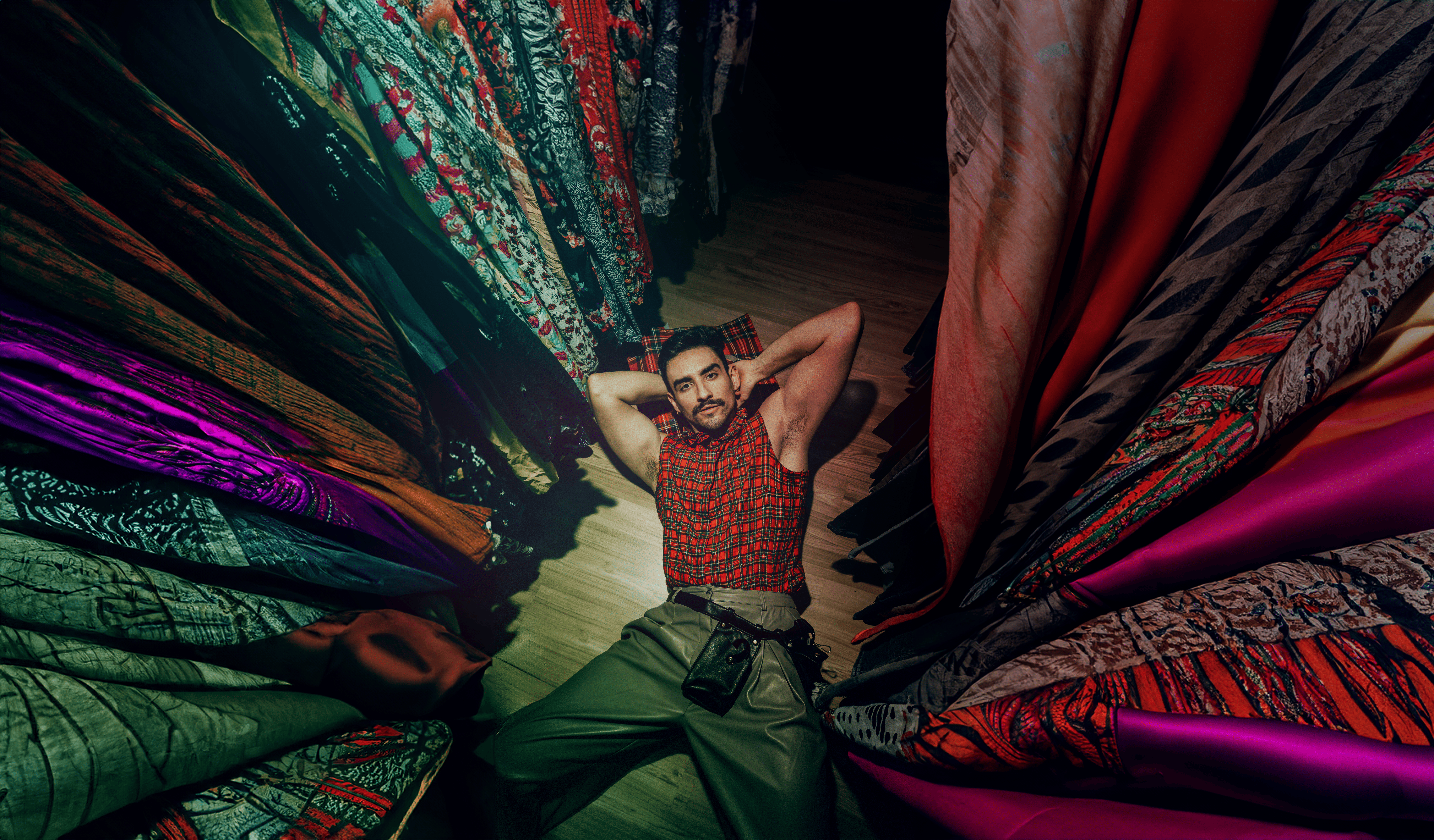
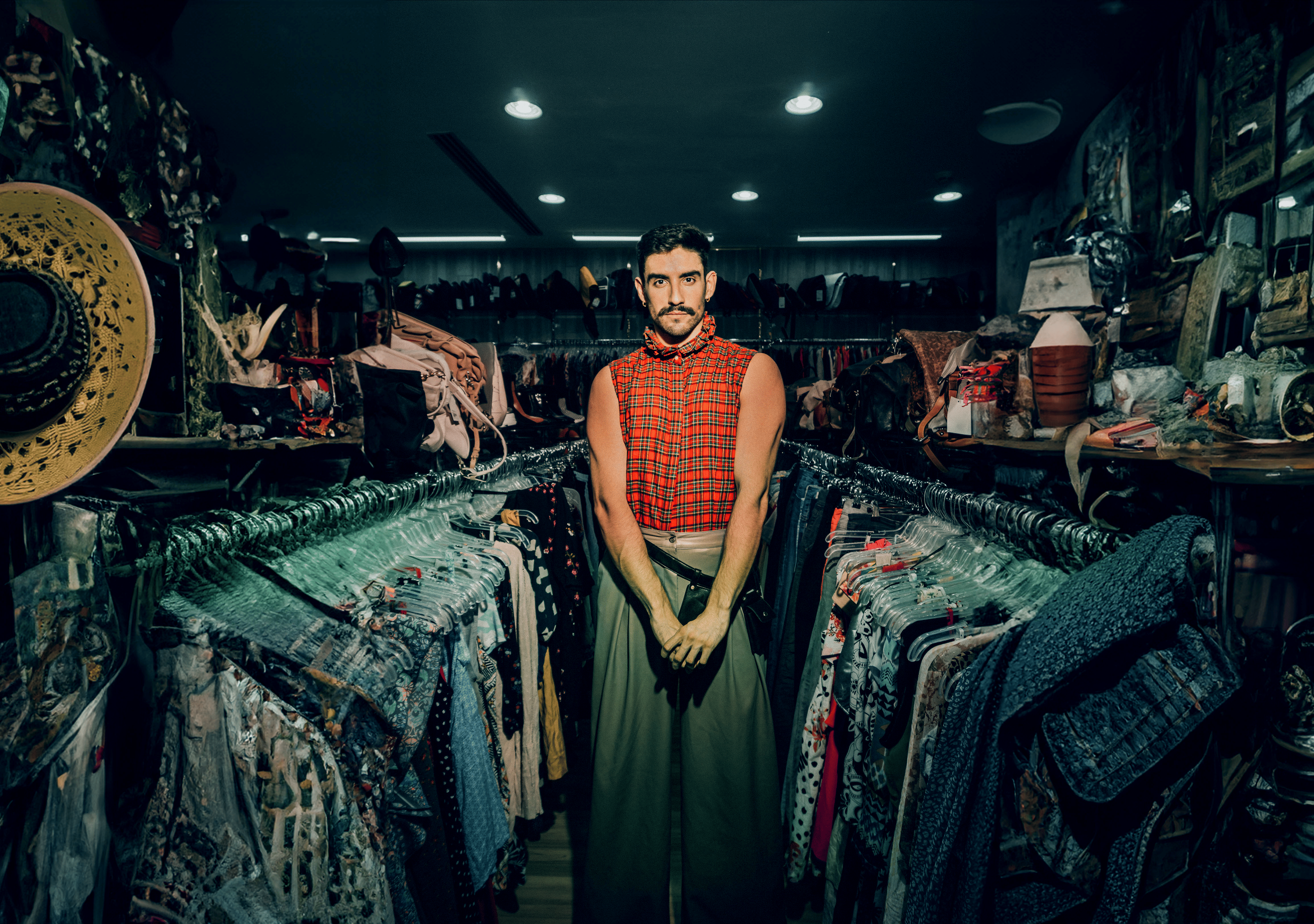
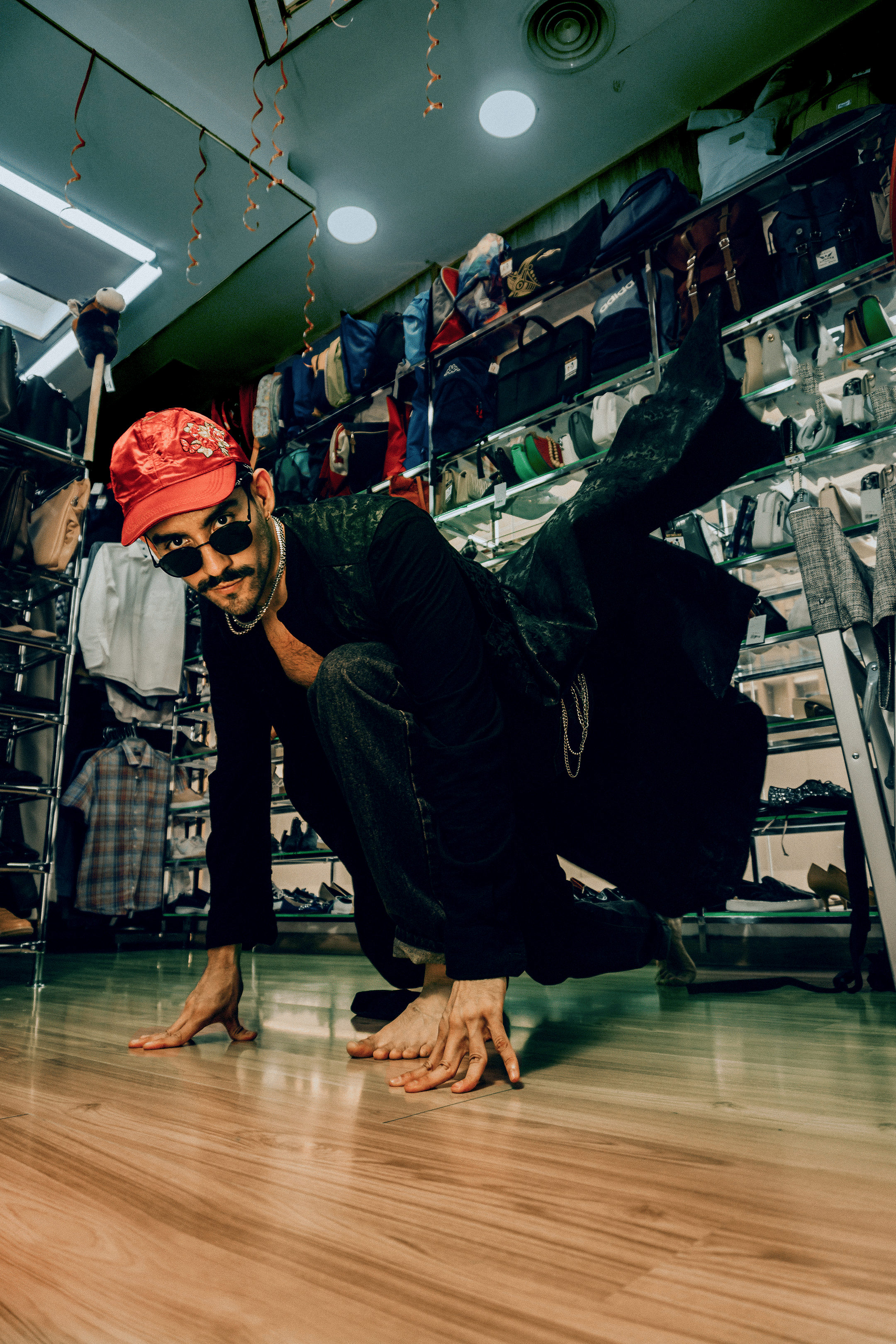
Beneath Dubai’s shimmering skyline and opulent malls lies a lesser-known world of thrift and reinvention, where unique perspectives emerge from the city’s surplus. In neighborhoods like Deira and Al Karama, second-hand shops—known locally as Ukay-Ukay, a term popularized by the Filipino community—have become vibrant spaces for cultural exchange.
At night, these streets come alive; neon lights glow against the dark sky, and the thrift stores stay open late, buzzing with energy. People move between shops, chatting and laughing, while the sound of music and distant traffic fills the air. Shoppers take their time, sifting through racks under the warm, flickering lights, searching for their next great find.
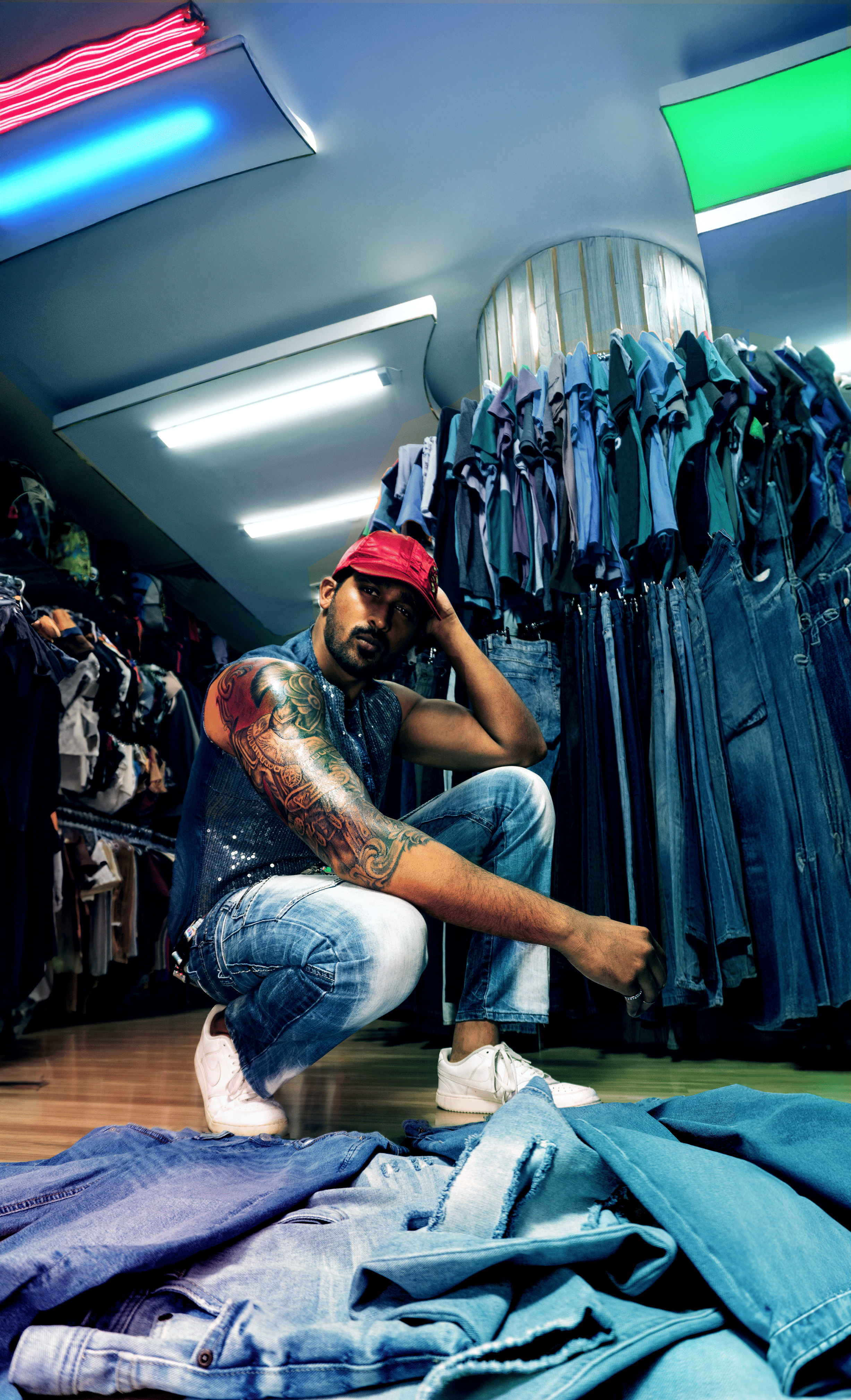
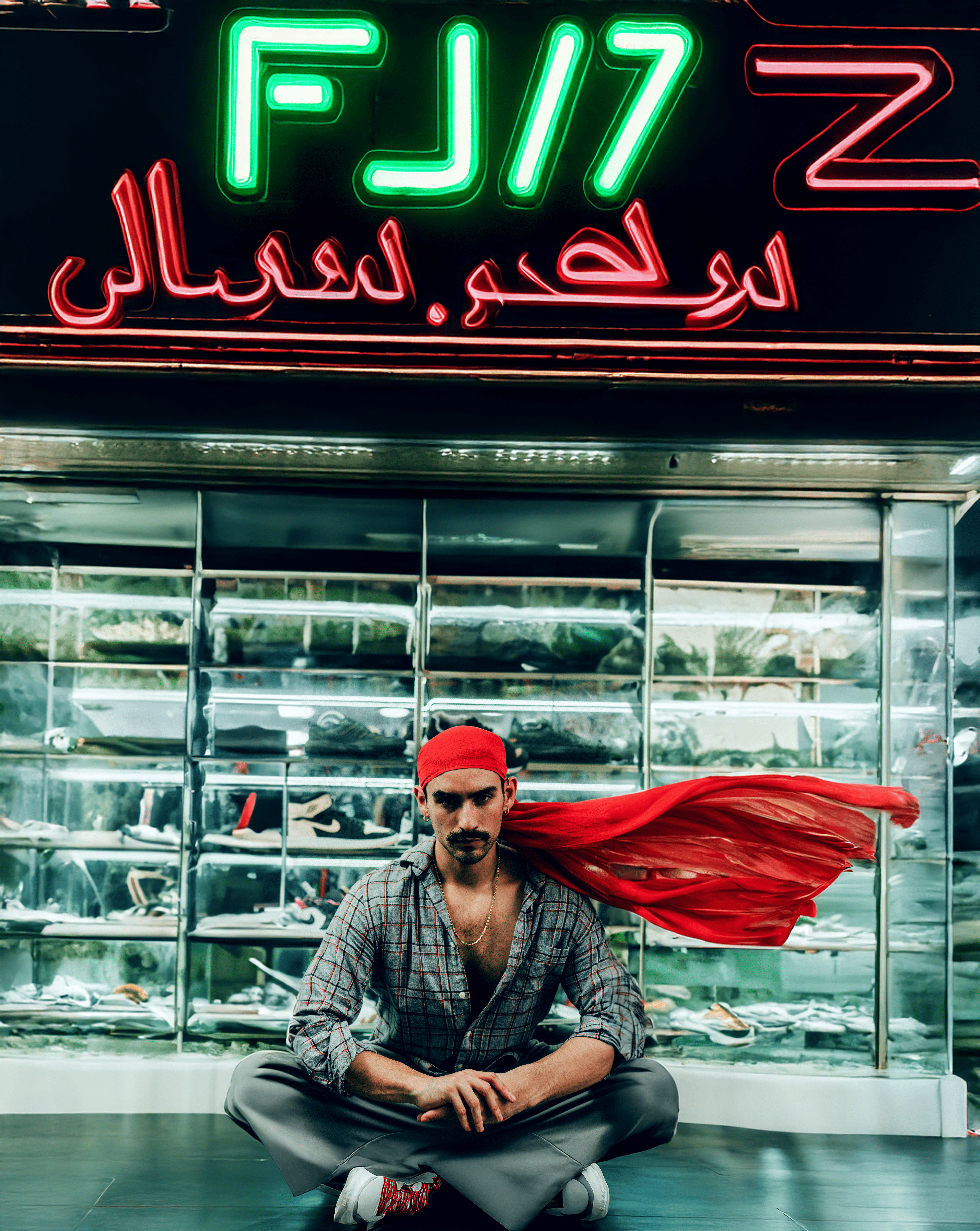
In a city defined by luxury, Dubai’s thrift culture is a quiet
counterbalance, proving that style doesn’t need a high price
tag. Initiatives like Swap for Good champion sustainability,
creating spaces where fashion is exchanged rather than
discarded. Meanwhile, the souks of Old Dubai continue to offer
second-hand treasures, their winding corridors filled with
vintage fabrics, timeworn jewelry, and reinvented garments.
This ecosystem of resourcefulness sustains the workers who keep
the city running— hospitality staff, couriers, and artisans—who
craft new identities from the remnants of hyper-consumption. Far
from the designer boutiques, this culture thrives in the
margins, shaping a different kind of luxury—one built on
creativity, community, and survival.